Showing posts with label Refusal. Show all posts

Sunday, 18 June 2023

A rock and a hard place


On this day in September 2020, to reach a hidden, rocky pool, the children had to negotiate the water tumbling over boulders.  In particular, they had to navigate across these slippery rocks with a pool on either side. The long-legged older teens managed it with ease.  My younger son managed with the impulse of the thrill, the challenge and not a little bravado.  But once wet and cold from playing on the rope swing at the pool, I recall his tears and fear on the return crossing.

The boys often set themselves these challenges.


One of the hardest lessons for many in the milonga is the acceptance that desire to dance may not be mutual. The rock: they don't want to dance with you. The hard place: You don't know why. And you can get stuck there. Or you can start blaming people for being e.g. snobby. Accepting that unequal desire is a huge part of life in and out of the milongas is a difficult pill for many people to learn to swallow, but it is a necessary one.

It happens in all kinds of relationships all the time: Do I want this relationship? On what basis do I want it?

These situations, "stuck between a rock and a hard place", are difficult. Last week I remember reading about a woman whose husband of nearly fifty years divorced her when she was in her seventies.  Now in her nineties she lives happily and well. She said It's not a matter of getting over stuff, it's a matter of living through it. If you can live through the issues that you have been faced with, they become your best teachers.

Friday, 9 June 2023

People's reasons


People very often don't want to go along with your plans. We were supposed to be moving on at this point on that day, to see the waterfall Reekie Linn on the other side of the river, but he had his own ideas - he was enjoying chilling out.

There are many impersonal reasons, reasons that have nothing to do with you, why people might not want to go along with your plans, or in the case of the milongas, why they might not want to dance with you: they don’t like the music, they want a break, they are chatting, they are more interested in someone else, they are about to leave or to go to the bathroom, or to get a drink or they are just not in the mood. It’s perfectly legitimate to come to a milonga but not dance. 

In the milonga and very often in life, in free societies, it does you no good to dwell on what people's reasons are for not going along with your ideas. Doing so can eat you up. Certainly for something as ephemeral as dance, that person owes you no explanation and you would be well advised to leave them alone. Most people instinctively know you don’t ask for, still less demand reasons.

Wednesday, 7 June 2023

Being turned down


A: How do you manage to invite so directly, as if you’re not afraid of being turned down?

B: I’m not.  If they turn me down that’s their problem! It may not be anything to do with me. 

A: Did you always have that outlook?

B: No.

A: So how did you learn?

B: Life outside the milongas taught me!  

She doesn’t take rejection personally and she is right - there are too many reasons rejection may have nothing to do with you.  She said she is inside a bubble of own energy that keeps her safe. She puts those life lessons into practice in the milongas.


Monday, 5 June 2023

Taking risks


I think this was the day my son slipped off this rope swing, from quite a height and landed in a patch of nettles. He was lucky and I felt guilty, bringing him to this risk, but aside from some bruises he was OK.  In the days and weeks before this, this swing had afforded us all a lot of fun.  When I look at some of the photos of my kids climbing trees and swinging on ropes, I can't regret the joy and look of achievement in their faces but equally I can't help but feel that a) we were lucky, b) these activities, after being normal for millennia, are going the way of riding bikes without helmets; in the UK few people do that now, with good reason. We have become more risk averse, especially with our children. After all, fall out of a tree and your chances of escaping injury or death are not great but how often does it happen?

You are at a milonga where you don't know anyone. Should you take a risk, be less discriminating in who you accept dances from, for fear of scaring all the guys away? I have regretted, many times, lowering my standards.  In the milonga, as in life, a woman who is hard to get is a challenge for a guy and these guys can often dance well. Equally, in the early and even middle years of my tango dance journey I have sat and not danced in many milongas and been miserable.

I accepted a dance with an experienced guy recently at salsa. Gradually it dawned on me that he was drunk but by the time I was sure and was deciding what to do, the dance was over. It was an excruciating experience and thank heavens in salsa people usually seem to dance just one track together.

The next time I saw him, he invited me but I wasn’t sure, particularly whether or not he was sober and I didn't accept - one bitten, twice shy. Later that same evening I saw him playing percussion very well, clearly sober.

At the next event he did not invite me, understandably. Later, I said to him he played well and asked if he was a musician. He said not, just that he had been dancing a long time. I said why I hadn’t danced with him the last time whereupon he invited me and I accepted. 

There is the flexibility of youth, which tries everything and a more careful flexibility that comes with experience and exercising judgement. 

Sunday, 4 June 2023

Honesty is the best policy

Rick Harrison


Years ago, at a milonga I had found that looking down was not enough to avoid walk up invitations. Next time there was a first track I didn't want to dance I rummaged in my bag only to have a man walk up and say to me: You're not supposed to be rummaging in your bag if you want to dance - you should be looking around.  It sounds amazing to recount it because I cannot imagine a guy trying that now.  That change has happened because of vibe or reputation, probably the former. I tried being on my phone, but a man asked me to music I could not have danced to. I said I was sorry, the music was too dramatic for me. I considered repeatedly leaving the room but contorting my life to suit the expectations of others seemed absurd. Honesty probably is the best policy. 

Now I wouldn't feel awkward about avoiding dances. I find that it may be harder to get dances with women who are at ease and relaxed about saying No thanks but it's probably worth it.

Friday, 2 June 2023

Signs she doesn't want to dance

OpenClipArt


At a salsa dance night, a guy whose eye I had been avoiding came to sit at the next table. I moved away.

If a woman is actively engaged in another activity - chatting, looking down, hunting in her bag, doing something on her phone, it could be deliberate. I have employed all these tactics, in fact all at the same milonga. It's usually because I don't like the music.

At some British milongas it is still thought OK to invite a woman to dance by walking up to her.  Women know all about keeping their eyes open if they want to dance. The harsh term “planchadora” refers to women who spend all night sitting, “ironing the seat”.  So much waiting means they are quick to notice if a guy wants to dance with them. So if women are not looking your way, it's probably because they don't want to dance with you or right then. A woman may very well not want to dance with you even if she has been sitting for a long time. Something is not necessarily better than nothing. A woman who does not look at guys or a guy at the start of a tanda, or in a bar, or anywhere for that matter, is likely making a point.

Wednesday, 31 May 2023

Learning to say no

Noticing - Jonny Hughes


A guy being a moscón, feeling women up, forcing a woman into the embrace, dancing for themselves or forcing moves on you - it’s not OK. That’s why it is more than ok - necessary - to say no.


Learning to say "no" to guys is a process that is not natural to a lot of women. Some will say that this statement diminishes womens agency in our modern world, but I have much empirical experience that demonstrates the truth of it.


Women know they don't have to have sex with guys they don't want to. So why do they accept being pulled into an unwanted embrace on the dance floor? Why don't they realise what is going on? When I ask women this they become uncomfortable. The realisation that we don't know how to say no to guys outside of the bedroom becomes a sort of shame, or at least of discomfort: that sense of being forced to appear impolite versus compromising what they personally are happy with. It is that fear of not wanting to appear impolite that some guys play on.


In the absence of guys waiting for the subtle signal from the women to show interest women can at least learn to protect themselves better. That takes noticing - recognising - that they are uncomfortable, reflection as to why and a desire to do something about it. That is too much for many. It can be easier to put up with it, not think about it or drop out.


Sunday, 28 May 2023

"Snobby" dancers

Public domain vectors

There has been a theme, in the last few months, albeit interrupted, about that see-saw, that balancing act of invitation and acceptance, of equal desire: the right person in the right place at the right time.

In the milonga, the classic lament one hears upon someone being rejected for dance is:  “they’re snobby”, picky - or their tone says it instead. 

People who say this have not been in the position where they don’t want to dance with someone.  Or, they have, but they fail to extrapolate that when the boot is on the other foot. Or maybe that person doesn’t want to dance with someone but submits to pressure and therefore wrongly expects that everyone else should make the same mistake. 

Empathy includes respecting other people’s choices even if you don’t understand them. It means accepting a rejection or a lack of interest and moving on.  


Saturday, 27 May 2023

The pest / El moscón

Sillygwailo


The milonga has the great advantage of being a social and visual environment, so continued harassment to dance by a guy is extremely unlikely.

I asked a Spanish friend to check over the Spanish version of  Muggers which starts with an analogy with the female robber fly. A fly in Spanish is "una mosca". The suffix ón suggests something bigger than normal. I didn't know it at the time but in Spanish slang, "un moscón" is a guy who won't leave you alone. (RAE: An annoying an tiresome man, especially in his amorous endeavours".  Basically,  a pest.

"Un moscardón" is a worse version of the same thing (according to the RAE: "Impertinent, annoying, man, a nuisance".) ""Qué mosca cojonera", is the vulgar expression you might use if you were really annoyed: "What a pain in the arse/creep."

At a milonga recently where, in the cortina (interval music signifying the end of that dance), all the dancers were much closer together than I find normal or comfortable, an older guy had several times tried to make eye contact from very close range. Eventually he walked right up to invite verbally while I was chatting. I said no thank-you, and that was the end of it. That is usually as bad as it gets, which is to say, manageable, if you know the ropes or simply have good instincts.

*

La milonga tiene la gran ventaja de ser un entorno social y visual, por lo que el acoso continuado para bailar, por parte de un hombre, es extremadamente improbable.

Le pedí a una amiga que revisara la versión española de "Atracadores", que comienza con una analogía con la mosca ladrona. En el argot español, un moscón significa un tipo que no te deja en paz. (RAE: "Hombre pesado y molesto"), y "un moscardón" es una versión peor de lo mismo. (RAE: "Hombre impertinente que molesta con pesadez y picardía").  La expresión vulgar, "qué mosca cojonera", es lo que podrías decir si estuvieras realmente enojada.

Hace poco, estaba en una milonga en la que, durante la cortina (música no tango durante la cual la gente se retira de la pista), los bailarines estaban más cerca unos de otros de lo que yo estaba acostumbrada y no siempre era cómodo.  Un hombre mayor intentó varias veces establecer contacto visual desde muy cerca, lo cual evité. Finalmente se acercó para invitarme a bailar verbalmente mientras yo charlaba con otra persona. Le dije que no, que gracias, y se acabó el asunto. No suele ocurrir nada peor que esto y es manejable si se conocen los entresijos de la milonga o simplemente si tienes buenos instintos.


Estoy muy agradecida a Flor por su ayuda con la traducción. Cualquier error restante es sólo mío.

Thursday, 25 May 2023

Why she doesn't she accept? / ¿Por qué no acepta ella?

creazilla


This piece was originally published on 16 April 2023.  I am republishing it after substantial re-edits, particularly in the Spanish. 

In conversation recently, a Frenchwoman remarked that a man in a shop buying a gift for his wife, had asked her, a perfect stranger if she liked the pullover he was holding up.  Yes, she replied.  But are you buying for me, or for your wife?  

The issue then is that women don't all have the same preferences nor, patently, want to be treated as if we are all the same. That's quite a high bar, considering the answer a woman gave recently when asked why might she avoid dancing with some guys.  "Simply, when they treat you as if you're not there.  Sometimes, they can think they're big shots. When there is a gender imbalance at a dance and they are in demand, it can go to their head.  The men think because they're in demand they must be good, so their dance becomes all about them and what they want.  

Another woman voiced the same idea,  "I don't want to be anyone's rag doll", underscoring the idea that, all too often, men do things to women, instead of with them.

A friend said, it's a chemical thing:  it's about whether I feel at ease with him or not.

The music will fill him from his heart to his feet and when you have that, you don't need steps, routines or formula. The more music he dances, the and fewer steps he does, the more I like it. I want, too, to see a harmony and connection in the couple. Not listening to the woman expresses itself in many ways: he does his own thing, he's too forceful, or abrupt, or he doesn't embrace. Or maybe he does embrace but I am not compatible with his embrace or just with how he is. Perhaps he's too stiff or chews gum. I love the honeyed tones of Raúl Berón but some men sing or hum in my year, which isn't my thing, especially if they are out of tune.

Guys I try to avoid at all costs are those who dance steps.  There are some moves where she just isn't given much choice. Practically no-one now, thankfully, pulls a presumptuous gancho or leg wrap on me,  nor a sandwich nor a pasada. But sometimes I make a mistake when I see a guy dancing. I watch him and he seems to be smooth and quiet in dance. I seek his interest, accept his invitation but then he pulls out his class-learned steps, apparently for my benefit. 

The pasada for instance, is a move in which she steps over his ostentatiously outstretched foot, as if doing so was an honour for us - and this is one of the less objectionable moves.  I am so shocked and mortified, that I freeze.  Then I go through the expected motions and forget I could maybe turn his pasada into something else, changing the course of that "conversation". Or, if desperate, I might fake a sudden twisted ankle or, had I the gall, simply say, I dance with  people, not steps and walk away.


*

Este texto se publicó originalmente el 16 de abril de 2023. Lo vuelvo a publicar después de reeditarlo a conciencia.
En una conversación reciente, una francesa comentó que un hombre que estaba en una tienda comprando un regalo para su mujer, le había preguntado, a ella,  una perfecta desconocida, si le gustaba el jersey que tenía en la mano. , respondió ella. Pero, ¿me lo compras a mí o a tu mujer?

Que los hombres no nos traten como si fuéramos todas iguales o tuviéramos los mismos gustos se podría considerar una expectativa bastante alta, teniendo en cuenta la respuesta que dio hace poco una mujer cuando le pregunté por qué evitaría bailar con algunos hombres: 

"Simplemente porque te tratan como si no estuvieras. A veces, ellos se la creen, te ningunean, actúan cómo autónomos. Cuando hay un desequilibrio de género en el baile y ellos están muy solicitados, puede subírseles a la cabeza, así que el baile es monótono, se convierte en algo que gira en torno a ellos y a lo que quieren, y no a su pareja.

Otra mujer expresó la misma idea añadiendo, "No quiero ser la muñeca de trapo de nadie", haciendo hincapié en la idea de que, con demasiada frecuencia, algunas cosas se les hacen a las mujeres, en lugar de hacerlas con ellas.

Una amiga dijo que para ella es algo químico: Se trata de si me siento a gusto con él o no.

Sobre todo, el hombre tiene que bailar la música. Es decir, él elige la música que quiera bailar, y con quién. La música le llena desde el corazón hasta los pies y por eso no necesita pasos, ni fórmulas, ni rutinas. Cuanta más música baile, y menos pasos haga, más me gusta. Además quiero ver una armonía conectada en la pareja. No escuchar a la mujer incluye todo un subconjunto: va a lo suyo, es demasiado fuerte o brusco, no se abraza. Quizá sí abraza, pero yo no soy compatible con su abrazo, o con su forma de ser. Quizá es demasiado rígido o masca chicle. Me encantan los tonos melosos de Raúl Berón, pero algunos hombres me cantan o tararean al oído, que, en general, no es lo mío, sobre todo si desafinan.
Pero es esta historia de pasos lo que más me molesta. Hay algunos movimientos en los que ella no tiene demasiadas posibilidades de responder. Por fortuna, hoy casi nadie me manda un enganche presuntuoso ni una mordida ni una pasada. Pero a veces la pifio cuando intento ver cómo baila un chabón. Lo observo y su baile parece suave y tranquilo. Busco su interés, acepto su invitación pero entonces él saca a relucir los pasos aprendidos en alguna clase, y supuestamente lo hace por mí.
La pasada por ejemplo es cuando ella tiene que pisar por encima de su pie ostentosamente extendido, como si pasar por encima fuera un honor para nosotras. Y éste es uno de los pasos menos desagradables. En esos momentos estoy tan mortificada que me quedo paralizada. Como respuesta, realizo los movimientos esperados, mecánicamente, y olvido que quizá podría convertir su pasada en otra cosa, cambiando el rumbo de la “conversación”. O bien, si es urgente, podría fingir una repentina torcedura de tobillo o, si tuviera el descaro suficiente, decir simplemente, Solo bailo con personas, no con pasos y marcharme.

Estoy muy agradecida a Ale, Amelia, José, Juan Carlos, Rodrigo, Reinaldo  y a los miembros de los foros de Wordreference por su ayuda con la traducción. Cualquier error restante es sólo mío.

Saturday, 15 April 2023

Moderation in all things? / ¿Moderación en todo?


Her: Why might guys might not dance with a woman?

Him: 
She’s too tall?
She’s too small?
She’s much better dancer than him?
She’s not a very good dancer?
There’s other female friends he wants to dance with more.
She smells funny?
She has a beard
She has criticised him before and dented his ego
She’s rejected him before?
Is she very beautiful?
Super confident?
Loud?
Brash?
Could she be intimidating?
Could she be a pain in the ass?

Her: How can we be a pain in the ass in a dance?

Him: Maybe he thinks she said bad things about him
Maybe he’s been set up by someone else who wants her

Her: How would that work?

Him: If I said to you that someone had been spreading malicious rumours about you would it change how you perceived them?

Her: Oh, wow. So, a guy might spread rumours!!? I didn't know you all were that nefarious.

Him: People do

Her: Are you actually aware of a guy doing that?

Him: I’m being creative here

Her: Aha!!

Him: No. But you were deceived when that person tried to get you all to themselves.

Her: Well, yeah, but some people can be like that.

Him: Exactly

*

Ella: ¿Por qué es posible que los hombres no bailen con una mujer?

Él:
¿Es demasiado alta?
¿Es demasiado pequeña?
¿Ella baila mucho mejor que él?
¿No baila muy bien?
Hay otras amigas con las que le apetece más bailar.
¿Huele raro?
Tiene barba
Ella le ha criticado antes y ha hecho mella en su ego
¿Le ha rechazado antes?
¿Es muy guapa?
¿Súper segura de sí misma?
¿Gritona?
¿Descarada?
¿Podría ser intimidante?
¿Podría ser una rompepelotas? 

Ella: ¿Cómo podemos ser rompepelotas en un baile?

Él: Quizá piense que ella ha hablado mal de él
Quizá le ha tendido una trampa otra persona que la quiere.

Ella: ¿Cómo funcionaría eso?

Él: Si te dijera que alguien ha estado difundiendo rumores malintencionados sobre ti, ¿cambiaría la percepción que tienes de él o ella?

Ella: Vaya. ¿Así que un hombre puede difundir rumores? No sabía que fuerais tan nefastos.

Él: La gente lo hace

Ella: ¿Realmente sabes que un hombre hace eso?

Él: Estoy siendo creativo

Ella: ¡Ajá!

Él: No: No. Pero te engañó deliberadamente cuando esa persona intentó tenerte toda para su mismo.

Ella: Bueno, sí, pero algunas personas pueden ser así.

Él: Exactamente, así es.

Friday, 14 April 2023

Adornments and "Anticipating" / Adornos y "Anticipación"

Wallpaper flare


A lot of guys don't like women who do adornments in dance. Years ago, a "top" local female dancer, asked to dance with me and it was like dancing with soap, there was no 'us', it was all so that she could exhibit. She later became a teacher. 

I asked a friend the other night what he thought about adornments and he likes them. These things are a matter of taste. His pet peeve was women who anticipate his move. With him, I don't "speak" in the dance because I don't feel the need or desire.

But I have stopped dancing with experienced guys who feel to me too controlling. It sets off a warning light though when a guy says he doesn't like women who "anticipate". It feels like we're being shut down, as if he thinks tango is something where things are done to women, where we can't have a voice, a say, an idea.

Some guys even test you in dance. They provoke you to anticipate. It can feel fun at first, a game, but not if you start to realise he is doing it to put you in your place, to assert his dominance.


*


A muchos hombres no les gusta que las mujeres hagan adornos en el baile. Hace años, una bailarina local "top" pidió bailar conmigo y fue como bailar con jabón. No había "nosotros", todo era para que ella se exhibiera. Más tarde se convirtió en profesora.

La noche pasada le pregunté a un amigo qué opinaba de los adornos femeninos y a él le gustan. Cada cual con su gusto. Lo que más le molestaba al bailar era que las mujeres se anticiparon a sus movimientos. Con él, no "hablo" en el baile. No uso tanto mi “voz de baile”, porque no siento la necesidad ni el deseo.

Pero dejé de bailar con hombres experimentados que me parecen demasiado controladores. Sin embargo, cuando un hombre dice que no le gustan las mujeres que "se anticipan", se me enciende una luz de alarma. Parece que se nos está silenciando, como si el tango fuera un lugar donde a las mujeres les hacen hacer cosas, como si no tuviéramos ni voz ni voto. 

Algunos hombres incluso te ponen a prueba en el baile. Te provoca para que te anticipes. En un primer momento puede parecer divertido, un juego, pero no si te das cuenta que lo hace para ponerte en tu lugar, para afirmar su dominio.

Estoy muy agradecida a Ale por su ayuda con la traducción. Cualquier error restante es sólo mío.

Thursday, 13 April 2023

Why doesn't he invite her to dance? / ¿Por qué él no la saca a bailar?

Twitter


There are lots of personal reasons he may not want to dance with her. Maybe he thinks she's too fat, too small, too tall, too old, too butch, she smells, he doesn’t like her perfume or that she leans on him, or that she's too stiff.  For many guys, though it's not about a lack of experience, especially if she is young. 

Some ten years ago, I asked a guy what the teacher's partner (a beautiful woman), famous for her acrobatic legs and showy style was like to dance with. Well, if you're OK with being a gatepost... he said, with some disgust.

Some guys have confided they don't like women with backless tops or dresses.  I feel the same, but my friend the other night said he didn't mind. 

Second man:
Him: There are some very able dancers I don’t enjoy dancing with because they seem to have a funny attitude. 
Her: I agree.  Sometimes a dancer is great but the personalities just don't click.   If it's like that with women, I notice it's because often it's that I don't trust them.

Him: The main reason for not dancing with a woman would be if she has next to no dancing ability. 
But he said he danced with "no-hopers" if they were already friends - and admitted this was a brutal term.

Why he doesn't want to dance with her is not, actually, her problem. These are things he feels, that are not necessarily what everyone feels.

*

Hay muchas razones personales por las que puede que él no quiera bailar con ella. Quizá piense que es demasiado gordita, demasiado pequeña, demasiado alta, demasiado vieja, demasiado marimacho, que huele mal, que no le gusta su perfume, que se apoya demasiado en él, o que es demasiado rígida.  Para muchos hombres, sin embargo, no se trata de falta de experiencia, sobre todo si ella es joven. 

Hace unos diez años, pregunté a un hombre cómo era bailar con la pareja del profesor (una mujer joven y guapa), famosa por sus piernas acrobáticas y su estilo llamativo. Bueno, si estás a gusto siendo el marco de la puerto dijo, con cierto desagrado.

Algunos hombres me han confesado que no les gustan las mujeres con tops o vestidos sin espalda.  A mí me pasa lo mismo, pero mi amigo de la noche pasada me dijo que no le importaba. 

Segundo hombre:

Él: Hay algunas bailarinas muy capaces con los que no disfruto bailando porque parecen tener una actitud rara

Ella: Estoy de acuerdo.  A veces una bailarína es estupendo, pero las personalidades no encajan.   Si es así con las mujeres, lo noto porque a menudo es que no confío en ellas.

Él: La razón principal para no bailar con una mujer sería si no tiene casi ninguna habilidad para el baile. Pero dijo que bailaba con las "sin-esperenzas" si ya eran amigas, y admitió que era un término brutal.

Por qué él no quiere bailar con ella no es, en realidad, problema de ella. Son cosas que él siente, que no son necesariamente lo que siente todo el mundo.

Sunday, 9 April 2023

Rejection cuts both ways / El rechazo es bidireccional


Rejection cuts both ways, in dance as in life. It isn’t just the woman who rejects the guy, by looking away.  If the guy doesn’t respond to the woman “signalling” I’m interested, it’s also a "no thanks", albeit of the subtlest kind, even if that isn't what it feels like.

*


El rechazo puede darse por ambas partes, en el baile, como en la vida. No es, como se suele pensar, sólo la mujer la que rechaza al hombre, apartando la mirada. Si él no responde a la la señal, o la "provocación" de la mujer , también es un "No, gracias".


Monday, 3 April 2023

Poco ma buono


Pictured, a jam I made last year from the exceptionally fragrant petals of rosa rugosa, the Japanese or beach rose, a non-native species here, common almost to the point of invasiveness.  Several invasive species are edible: Japanese knotweed, Himalayan balsalm, ground elder - a potherb brought by the Romans.  

I read recently that apparently, what we should do with desserts that are, after all, not good for us, is half them with someone.  Thus, the pleasure of the flavour and of the sharing and less of the harm.  

It is a concept that reminds me of something the mother of an Italian friend and model said thirty years ago:  poco, ma buono:  little but good.  She mentioned it in the context of having a few good clothes, but good ones rather  than many of inferior quality. 

The same idea applies in the milonga.  If you stand firm on walk-up invitations and accept only guys who observe milonga etiquette then you may have a few dances but good ones.

*

En la foto, una mermelada que hice el año pasado con los pétalos excepcionalmente perfumados de la rosa rugosa, la rosa japonesa o de playa, una especie no autóctona aquí, común casi invasora.  Varias especies invasoras son comestibles: Centidonia japonesa, bálsamo del Himalaya, angélica menor, una hierba traída por los romanos.  

Hace poco leí que, al parecer, lo que deberíamos hacer con los postres que no son buenos para nosotros, es reducirlos a la mitad con alguien.  Así, se comparte el placer del sabor y nos causa menos daño.

Es un concepto que me recuerda algo que dijo hace treinta años la madre de una amiga y modela italiana:  "poco, ma buono": poco pero bueno.  Ella lo mencionaba en el contexto de tener poca ropa buena, pero buena, en lugar de mucha de calidad inferior. 

La misma idea se aplica en la milonga.  Si se mantiene firme en las invitaciones que no han sido por mirada y se acepta sólo a hombres que observen la etiqueta de la milonga, puede que tengas pocos bailes, pero buenos.

Estoy muy agradecida a Pepe por su ayuda con la traducción. Cualquier error restante es sólo mío.

Saturday, 25 March 2023

Refusing walk-ups

Refusal


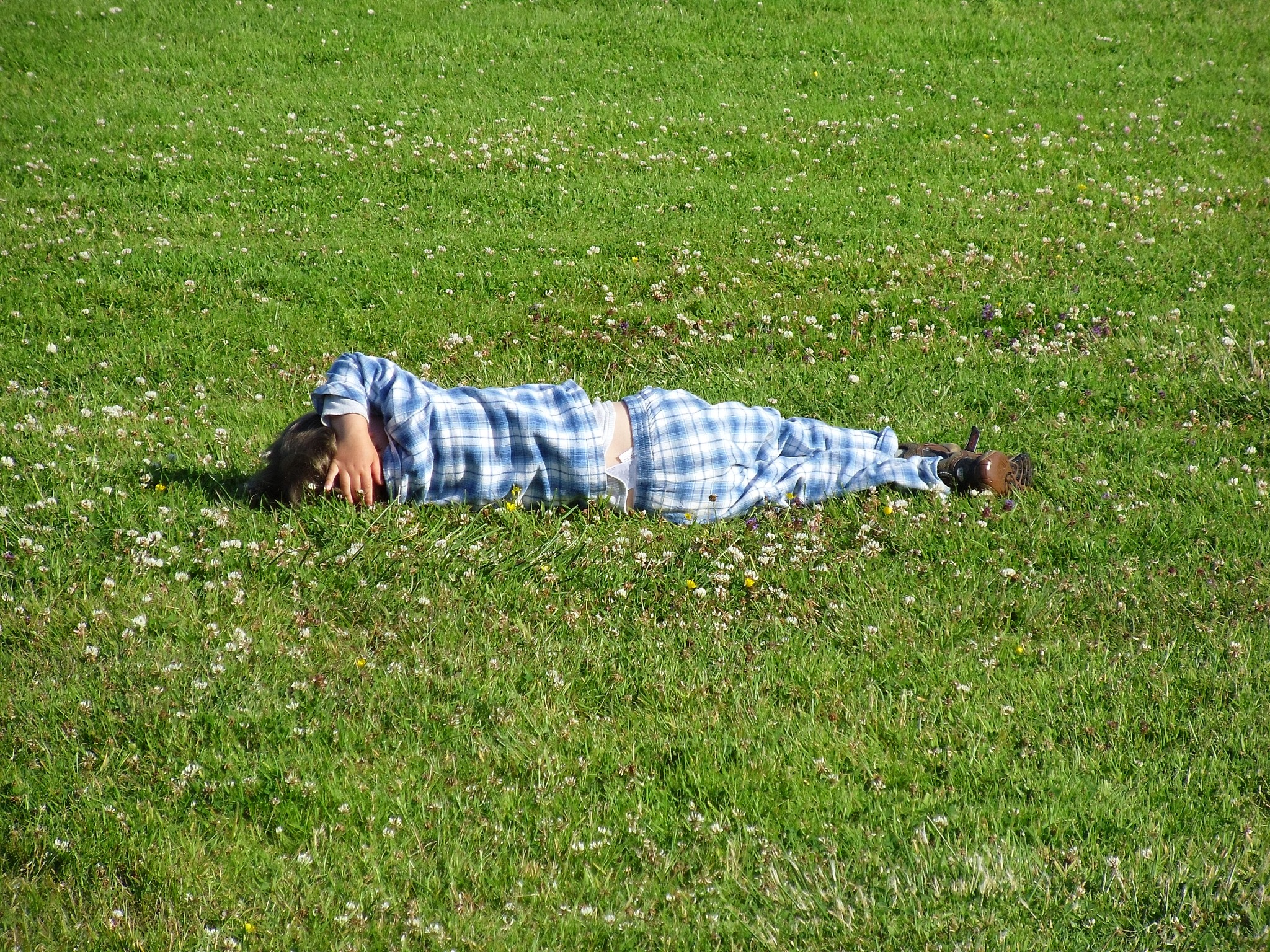
This is my son, in a campsite near Oban many years ago.  Walking himself to the bathroom first thing in the morning was simply too much  so he simply lay down and refused.  Refusal is the topic of this post.

Some milongas have a culture where cabeceo (invitation to dance by look) is not common.  This could be because there was never an Argentinian culture or tradition there to start with, because there is poor lighting or poor lines of sight, the host is not in favour or because it is class-dominated. In class, choice of partner is often discouraged so walking up to people is tolerated or even the norm.  

But there are good reasons to refuse walk-ups

1) It goes against the evolved and accepted milonga behaviours and traditions which work well and for good reason.   In the wider context of the milonga therefore, it is, in essence bad manners. 

2) Individually too it is poor behaviour: the inviter to put the invitee under pressure.

3) There is a ripple effect:  some other guys will now see the woman who accepts walk-ups as prey.

4) The quality of dancing from walk-ups is invariably poor.  

Refuse walk-ups in this culture and you could have a very empty night.  Instead you will need to enjoy watching the floor, listening to the music, chatting and meeting people.  You may with good reason wonder if this is the sort of culture where you are likely to find good dancing.

That said, we have a great experienced dancer on our local scene. He said in his country walking up was the norm.  But he has adapted here and has always invited me by look.  

Sunday, 19 March 2023

A clear "no-thank you"

No!


In the cafe:

A: He started to take liberties on the dance floor.  So I stopped the dance, made some verbal objection and stormed off the floor in the middle of the track, a la television tango.
Guys:  Really?  You minded?
A: !!  Of course I minded!
Guys [incredulous]:  We wouldn't mind at all if somebody did that to us.  We'd think it was our lucky day...


In the ladies:

A: He started to take liberties on the dance floor.  So I stopped the dance, made some verbal objection and stormed off the floor in the middle of the track.
B: Quite right! I'm so glad you did
A: Anyway, tell me about that other guy.
B: I looked at him and he saw me.  If he didn't want to dance he should have looked away, which is clear.
A: Right.
B: But the guy didn't do this.  He looked around and up and down.
A: Oh!
B: If you're going to say "I'm not going to invite you" by look you should at least be clear about it.
A: He was being clear!
B: I think it's helpful to be more direct.
A: So what did you do?
B: I just kept looking at him firmly and directly...
A: You didn't want to dance with him by now?
B: No, obviously, if he didn't want to dance with me.
A: To keep looking at him, that's mean!
B: No it's not.  I just wanted to see if he'd refuse properly.
A: [Laughing] Oh dear.  Perhaps he's just the shy type who knows what he does and doesn't want but has trouble saying no.  So what did happen?
B: Well, eventually he got up and moved away.
A: You don't say! Do you think he got the point about how to say "no thank you"?
B: I don't know.  Perhaps I'll find out next time!

Friday, 3 March 2023

Imposition

Johnny Hughes


Freedom was the title of the first post in this blog back in 2014. Agreement and consent are the social friends of freedom. I have written often about its antithesis e.g. Obligation.

Grown up milongas (as opposed to the kindergarten version) are, above all, places of choice. Dancers come and go when they like, nobody probes for full names or even real names, or into personal circumstances.   Women don’t mug guys for dances and guys don't do walk-up, hand-proferring invitations.  Neither “begs” for dances through conversation.  Most of all, they are places where no-one imposes themselves on anyone else.  There is no use of force


When one person forces themselves on another, physically, psychologically, socially, any way at all, it is hard to think of more grotesque, dangerous or sickening behaviour, even more so when it is thinly disguised within a civilized setting.


The absolute cornerstone of milonga culture is freedom of discreet invitation and equally discreet acceptance or refusal. This all happens by look (the inviter's cabeceo, the accepter's mirada). It is also one of the most obvious codes (accepted milonga behaviours).


Some people don't truly understand this code. They can't cope with it, but are alert enough to have learned its importance. These types look for stratagems to get round it. This is manipulation: they will manipulate people to get what they want. People who are deaf and blind to the many freedoms that make a good milonga are those who impose themselves on others, who try to oblige others to attend to them, who use others to satisfy their needs. 


Why don't these people adhere to the code like everyone else? Because perhaps they are impatient to dance or ambitious in dance, because they are not at peace, because they are insecure. They need attention, all the time. Consider: what happens to these people if they do adhere to the code but don't manage to dance? They will not have a perhaps understandably disappointing evening, they won't, more resourcefully, instead of dancing, enjoy the music, or the spectacle or the company, or the conversation because that is too objective - it wouldn't be about them. No, this person will have a calamitously bad time because they are not getting that attention. This is a classic narcissistic personality. Their reaction? Probably histrionic, moody, emotional.


How do they get round the code? Both men and women will show off, in their dance, or their clothes or their behaviour. They will demand attention. Until recently while I recognised (except when, catastrophically, I didn't) the danger signs of these types I never really understood why - because I didn't need to. I just avoided them.


So what happens if they don't get dances? Instead of just shrugging, accepting it, not taking it personally, moving on, they will be hostile and resentful, especially if they have been turned down. This is another sign of the immature personality.


Young and pretty female versions might do the indoor equivalent of standing on a street corner. They flirt and chat not for the pleasure of that but as a stratagem to pick up dances because they can't truly relax, find peace in the milonga. They feel awkward unless they are dancing all the time. They don't realise how transparent they are to experienced dancers and so they pick up the dregs they deserve.


To get round the code, men just walk up which fulfils this pathological need for attention in the most obvious way. They aren't patient enough or able to get a dance the accepted way. They get the praise they need simply by getting a woman to accept their proffered hand while the rest of us cringe. The guy who walks up isn't simply a bad dancer, he is sending a warning about his personality.


I have written often about that diabolical triad that motivates so many:  money or power or status.  They are found in these controlling, demanding narcissistic types. Such people are constitutionally unsuited to good milongas.  They will never fit because these traits seem to be hardwired into them.   The focus on money and power are both types of ambition but both of these are really about status.  Attention seekers are just childish versions of adult status seekers.  And status seekers are essentially, profoundly insecure.


What are the characteristics of people who invite by look, who don't use stratagems, who don't impose themselves on others? Respectful and empathetic certainly. Altruistic? Undemanding? Understanding? Calm? Quiet? Patient? Grounded? Observant? Take your pick. They are all excellent models of behaviour. These are signs of listeners, people with an outward focus that is not on themselves, good partners in conversation, in dance and in life.

Saturday, 29 August 2015

Cafe Baile: world music, dance and tango at the Edinburgh Festival Fringe

Dance Ihayami, one of the acts at Cafe Baile


Before children, for two or three years I used to take some of my holiday at the Edinburgh International Book Festival.  These days during August I avoid the traffic, the parking problems and the pedestrians with a death wish and read at home instead.  But if you can run the gamut of the Royal Mile without picking up a slew of flyers, Edinburgh in August can be fun.  It feels a bit like London at this time.  The greater human variety lends something of that exciting buzz I still feel each time I go back to London; for context I now live in the middle of Scotland.  At half past five on Leith Walk I enjoyed the mix of people who have finished work, interesting-looking visitors, a man in drag with wonderful pink and silver make-up and outside the Omni Centre an impromptu African music and dance act with drums and masks.  I felt sorry for two young men in sharp suits who I took to be performers but realised had the thankless task of trying to sell a finance product on the street at that time. 

Cafe Baile is part of the Edinburgh Festival Fringe.  For £9 you get a flavour of some of the Fringe music and dance acts with about half an hour of social tango dancing at the start, the end and in the middle.  It takes place three times over three weeks and I have been going for the three years that I believe it has existed in at least its current form.  This year, it has moved from the Jam House to the slightly more clinical atmosphere of Lauriston Hall. There is a bar.  In the past I have found the acts to be middling to good, a few are superb; one or two have been toe-curlingly terrible. It is all part of the rich mix you expect from the Fringe.   

In previous years I learned not to sit in the front row in case  I became a "volunteer" to an act and later to sit where I pleased - but to know my boundaries.  The hypnotic belly-dancer "Shantisha" who seemed able to move parts of her body quite independently from one another tried to persuade me to "volunteer".  I felt momentarily like Eve with the snake - entranced and appalled; not by the act but at the prospect of being on stage. I have seen for myself you never know what you might be getting in to with these things.  As with so much of life it is not unlike what happens in the milonga: during the social dancing someone I know by sight walked across the room to invite me directly.  He wanted to dance but I did not.  I was sorry to have to do so but relieved when to both requests I said "no-thank you".  Later, I asked a friend sitting next to me if he wanted to dance the Rodriguez, but he too knows his own mind and chose the girl he'd arrived with, sitting on his other side.  That's what can happen with asking, only with friends, there are no hard feelings.

The social dancing is attended by some locals and there are often a few visitors who dance tango too.

Since I have stopped going out to the local milongas as much, I have joined a non-fiction book group in Edinburgh instead.  The first Cafe Baile this year was on the same day as the book group which happened to be taking place a bit later in a pub at the end of that street so I decided to drop in to  Cafe Baile first.

There was a queue before it opened (a bit late), so the room was fairly full from the start.  There were about three tandas before the first dance act but nobody danced the first tanda.  I got up to the second Donato track of the second tanda but only danced one track.  I apologised to my friend and we sat down.  The fourth track was good but it was too late for us.  Nevertheless she agreed to the next tanda, which was vals.   I often hear good vals and milonga tandas in sets with tango tandas I do not want to dance.

It was hard for some visiting women dancers to get dances which is unsurprising when they are mixed in with the non-dancing visitors around the three sides of the dance floor. It illustrates the need for suitable seating where there is tango social dancing.  

At the first Cafe Baile there was scattered applause of the social dancers at the end of some tracks.  It felt very odd because of course this would never happen in a real milonga.  I didn't know whether to feel pleased they like the dance we love and might try it some time or whether to feel dismayed that our ordinary social dance looks to them like a show.  The idea of being a spectacle is for me, anathema.  

But how interesting it might be if someone used an event like this for experienced dancers to invite the curious who have never danced to try moving as one to tango music, without telling them what to do (and making them self-conscious), or pushing them around.  Experienced dancers meet new or potential dancers so rarely because most drop out of class before getting near a milonga or they are intimidated  when they do go because their class experience is so remote from what actually happens in a real milonga.

I did not go to the second Cafe Baile and had not intended to go to the third because it doesn't have the continuity of a milonga, the dancing time seems to be shorter this year and I don't want to sit through an act (or three) if it is poor.  If there was a separate area you could break away for a drink or snack I might feel differently.  

But a dancer had recommended some stand-up comedy by "an Argentinian", who also dances, not too far away.  I was only able to go on the same night as the third Cafe Baile so decided to drop in there beforehand.  I arrived when the doors opened.  Numbers at this time were about two thirds down on the numbers for the first one.  The DJ was quarter of an hour late and by the time the music started at about 1915 about twenty five people were there. The numbers picked up  with more local dancers arriving over the next ninety minutes.

I stayed for the first half hour set of social dancing but did not want to dance, then stayed for the first set of acts.  I enjoyed the Indian classical dancing by three women dancers from Dance Ihayami, soft and strong, elegant and grounded and the mind-bending Japanese electro act Siro-A.  

Then I went on to the comedy, getting waylaid by flyer-touts in the dark Cowgate and lost in the dank and eerie sidestreets.

I stopped by my book group for half an hour on the way back and then went back to Cafe Baile for the last set of social dancing where a friend persuaded me to dance two of the Di Sarli.  Then we danced all of the Troilo, swapping roles throughout. He said there were some very good acts in the second half.  

Photo by Shetland Arts shared under Creative Commons license.